-
Pongal is a popular harvest festival celebrated in South India, especially in Tamil Nadu, and among Tamil communities worldwide. It marks the beginning of the Tamil month Thai (mid-January) and is dedicated to the Sun God (Surya) as a way of thanking nature for a bountiful harvest.
-
Bhogi Pongal: The first day is dedicated to cleaning homes and discarding old items. Bonfires are lit to burn the old and usher in the new.
-
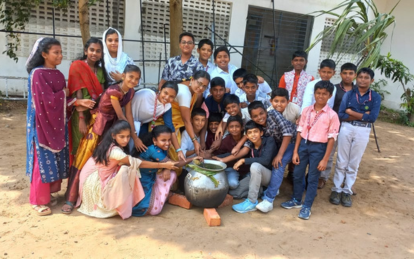
Thai Pongal: The main day involves cooking the dish "Pongal" (a sweet rice dish) made from freshly harvested rice, milk, and jaggery. Families pray to the Sun God and perform rituals.
-
Mattu Pongal: This day is dedicated to cattle, which play a vital role in agriculture. Cows and oxen are decorated and honored with special prayers and offerings.
-
Kaanum Pongal: The final day is a time for social gatherings, family reunions, and offering thanks to community members and nature.
-
Pongal Dish: The preparation of the Pongal dish is a highlight. It is cooked in an earthen pot outdoors, and the overflowing of the dish signifies prosperity.
-
Kolam: Decorative rangoli patterns are drawn at the entrance of homes using rice flour, symbolizing welcome and prosperity.
-
Jallikattu: In rural Tamil Nadu, bull-taming events are organized, showcasing bravery and tradition.
-
Pongal symbolizes gratitude, renewal, and prosperity. It fosters unity, strengthens bonds with nature, and highlights the importance of agriculture in Tamil culture. The festival is similar to harvest festivals celebrated in other parts of India, like Makar Sankranti and Lohri.
Duration and Celebration
Pongal is a four-day festival:
Key Rituals and Traditions
Significance